
Engineered algae to capture microplastics in water
News - 6 August 2026
Microplastics are difficult to intercept because many particles are tiny and dispersed through water. At the University of Missouri, researchers are studying modified algae that bind to those particles and make them easier to collect.
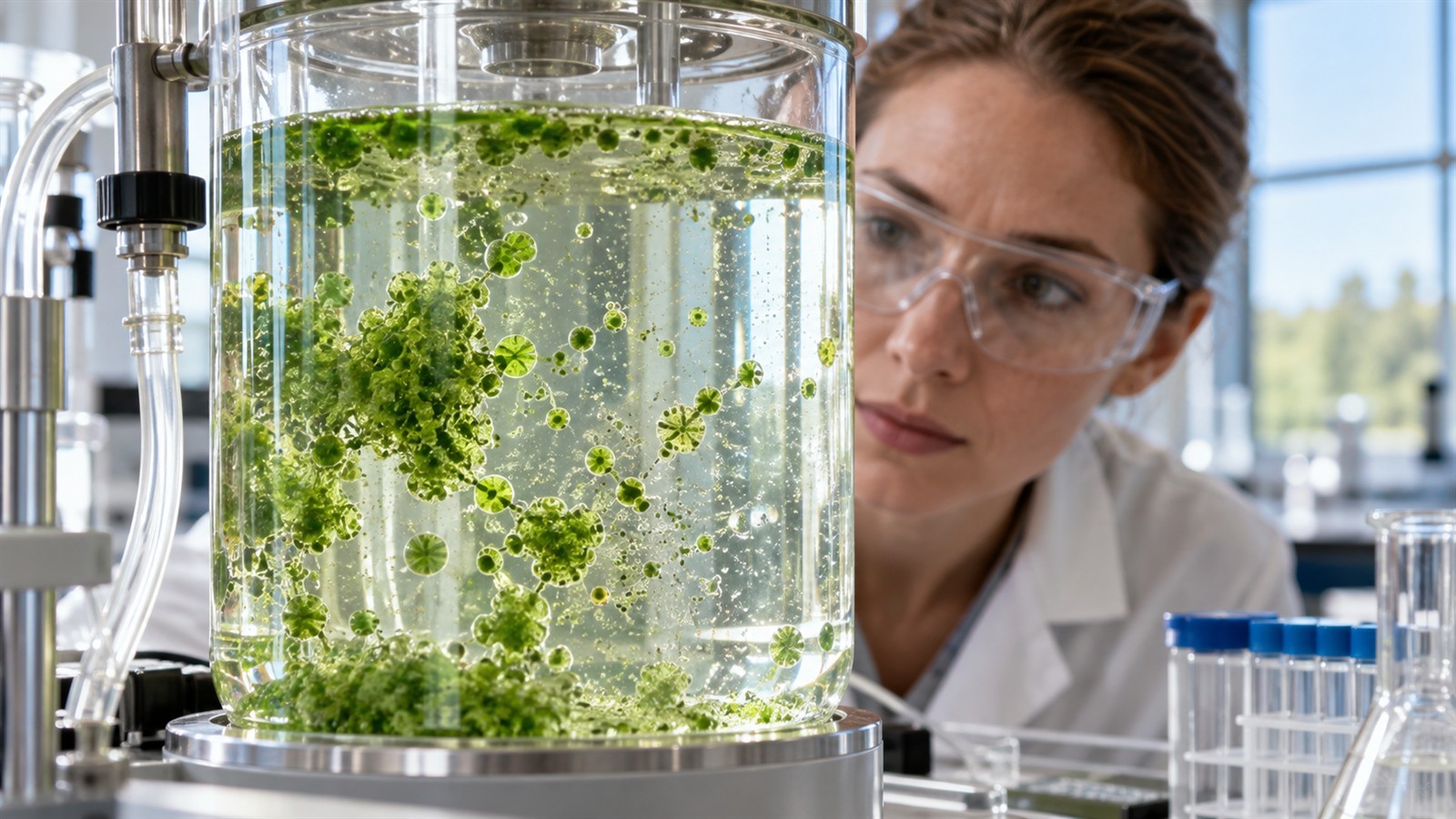
Microplastics are difficult to intercept because many particles are tiny and dispersed through water. At the University of Missouri, researchers are studying modified algae that bind to those particles and make them easier to collect.
According to the university's release, the algae were engineered to produce limonene, a compound also found in citrus fruit. This makes their surface water-repellent. When they meet similarly water-repellent microplastics, clumps form that can settle and be separated. The algae can also grow in wastewater while absorbing nutrients.
Researcher Susie Dai describes the work as still at an early stage. The longer-term aim is to integrate the process into water treatment and explore uses for the captured plastic. The university's 100-litre bioreactor is currently used for a different project involving industrial flue gas; it is not evidence that this microplastic-removal system is already operating in treatment plants.
Turning a promising experiment into a practical application will require tests with real wastewater, cost analysis, biomass management and safety assessment of the engineered algae. Preventing plastic from entering waterways remains essential in the meantime.
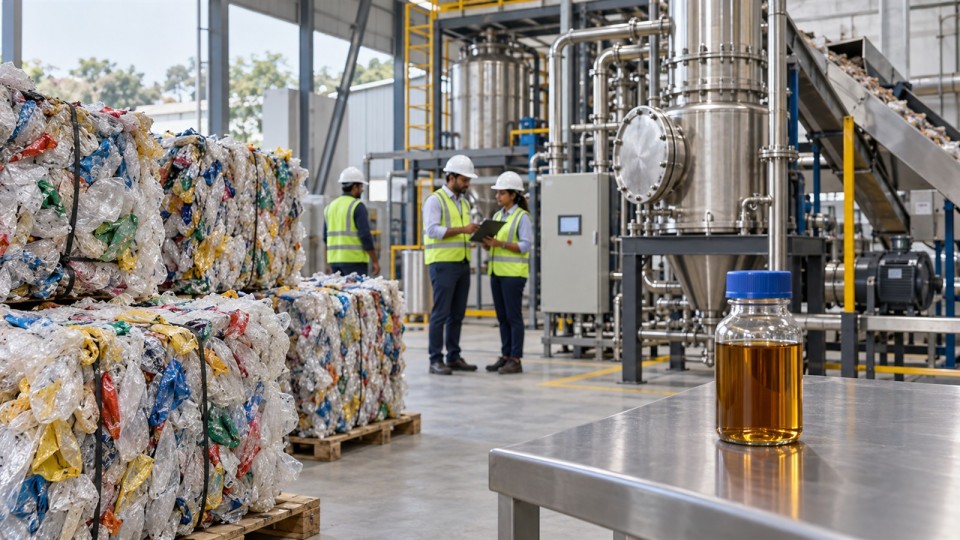
The cover is an AI-generated illustration, not a photograph of the research.
Potrebbero interessarti
-
Mixed municipal waste: can AI recover more useful materials?
News - 20 September 2026
-
From polyamide microplastics to UV-blocking films
News - 16 September 2026
-
August 2026: 14 cleanups, 90 bags and a community in action
News - 1 September 2026
-
PolyCycl and the challenge of hard-to-recycle flexible plastics
News - 31 August 2026
-

Circular packaging: two European projects offer different approaches
News - 28 August 2026