
Light and electricity could improve wastewater treatment
News - 4 November 2026
Researchers at TU Delft, working on the EU-funded SOLUTION project, developed a coating for a bismuth vanadate photoanode. With light and electrical input, the material can drive reactions that degrade certain wastewater contaminants, particularly pharmaceutical residues.
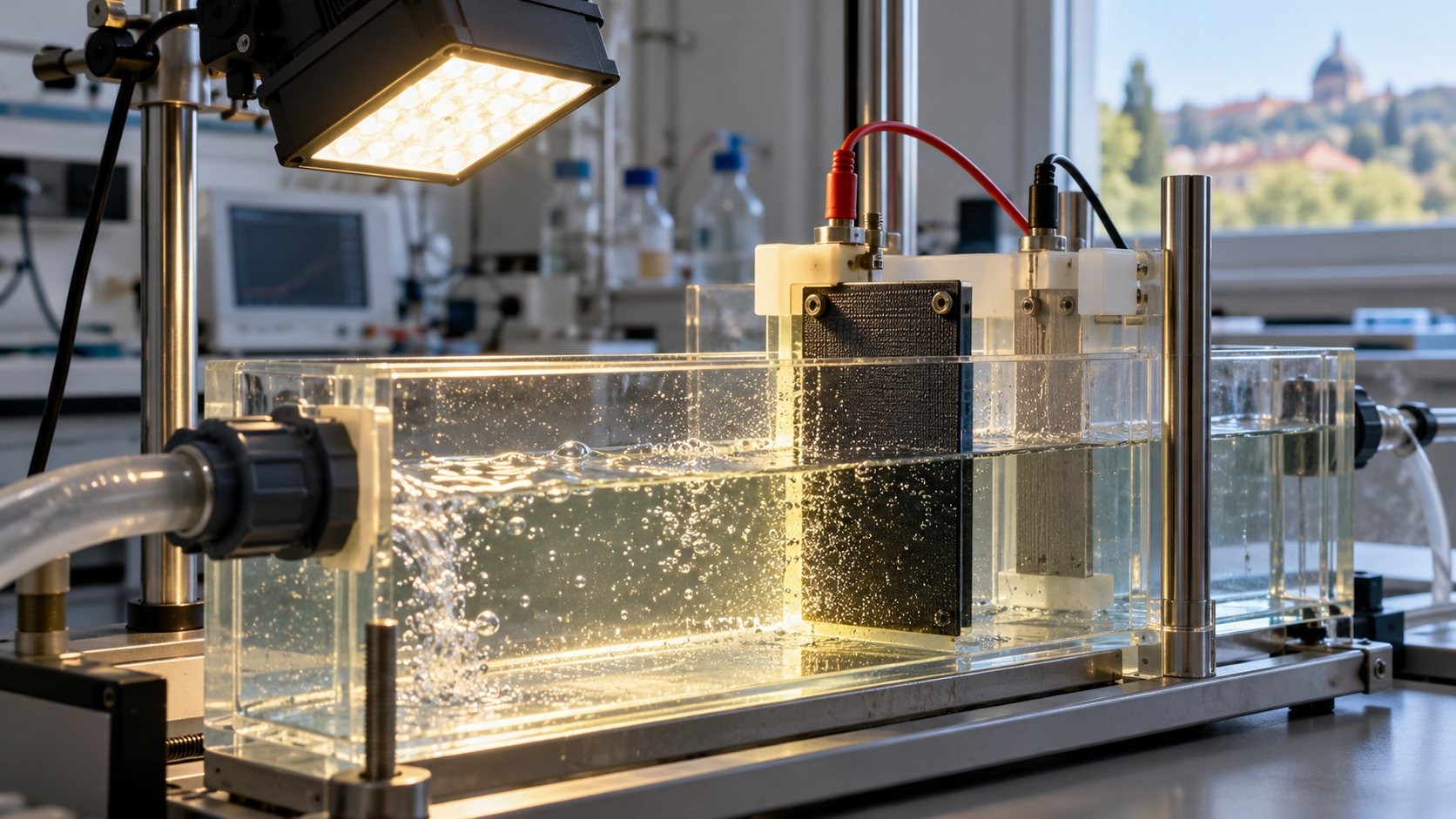
Researchers at TU Delft, working on the EU-funded SOLUTION project, developed a coating for a bismuth vanadate photoanode. With light and electrical input, the material can drive reactions that degrade certain wastewater contaminants, particularly pharmaceutical residues.
The team optimised the material and tested it with real wastewater. That matters because treatment plant effluent contains many substances that can interfere with reactions observed in the laboratory. In its 23 October 2026 summary, CORDIS reports improved performance and a clearer understanding of how material properties affect pharmaceutical removal.
This remains research and development. The technology is being explored as a possible complement to conventional treatment, not as a widely deployed replacement. Its public relevance lies in finding additional ways to reduce the release of micropollutants into aquatic ecosystems.
Source: CORDIS / SOLUTION project (2026-10-23).
Note: the cover is an AI-generated illustration; it does not document the project or people mentioned.
Potrebbero interessarti
-

October 2026: 9 cleanups, 178 bags and practical action in motion
News - 1 November 2026
-
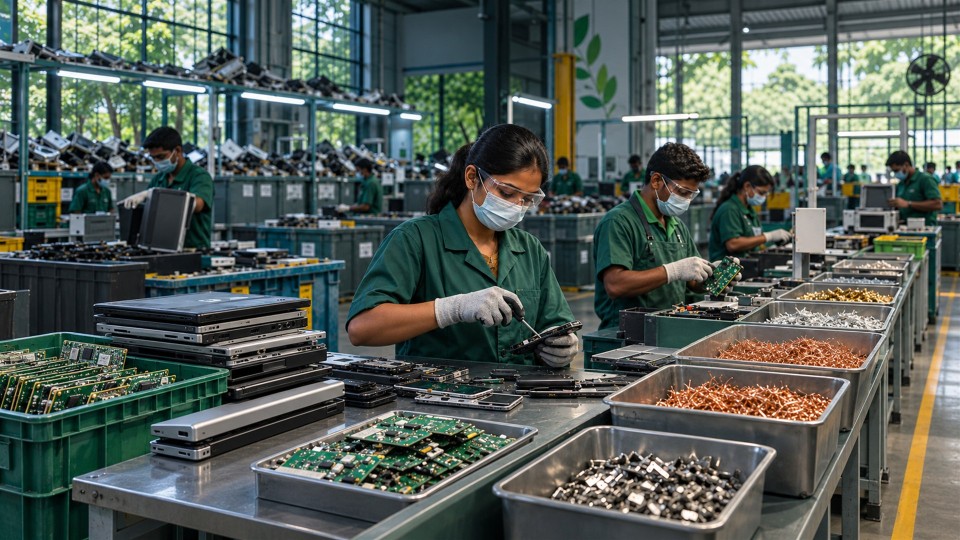
ERI India: a joint venture for electronics recycling
News - 28 October 2026
-
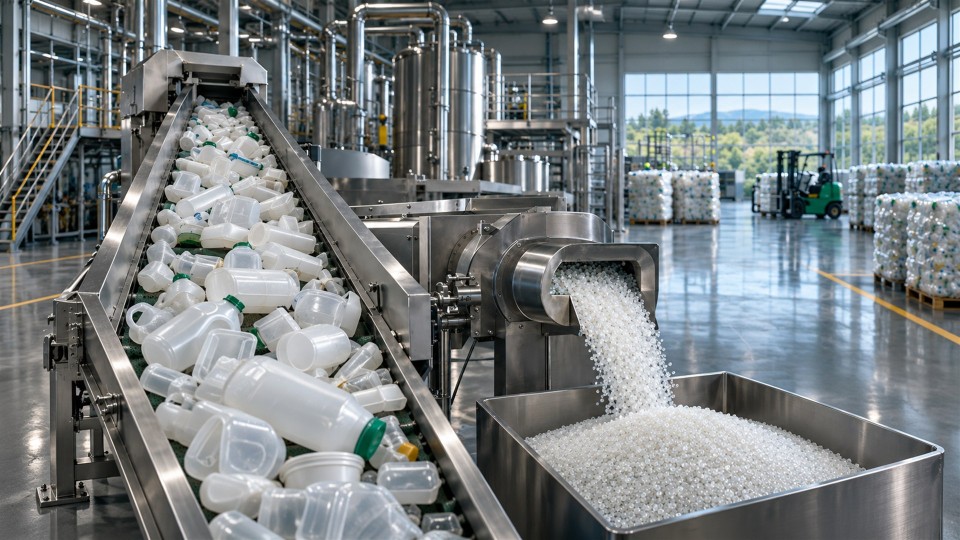
In Werne, a new facility aims to bring HDPE back towards food-contact use
News - 21 October 2026
-

Turin's RePoPP food-recovery project receives European award
News - 16 October 2026
-

Castellanza: 273 fewer tonnes of mixed residual waste
News - 15 October 2026