
Black plastics: a new technology targets a blind spot in sorting
News - 14 October 2026
Sesotec is testing an MWIR system with software and AI models to identify and separate black plastics that conventional sensors struggle to detect.
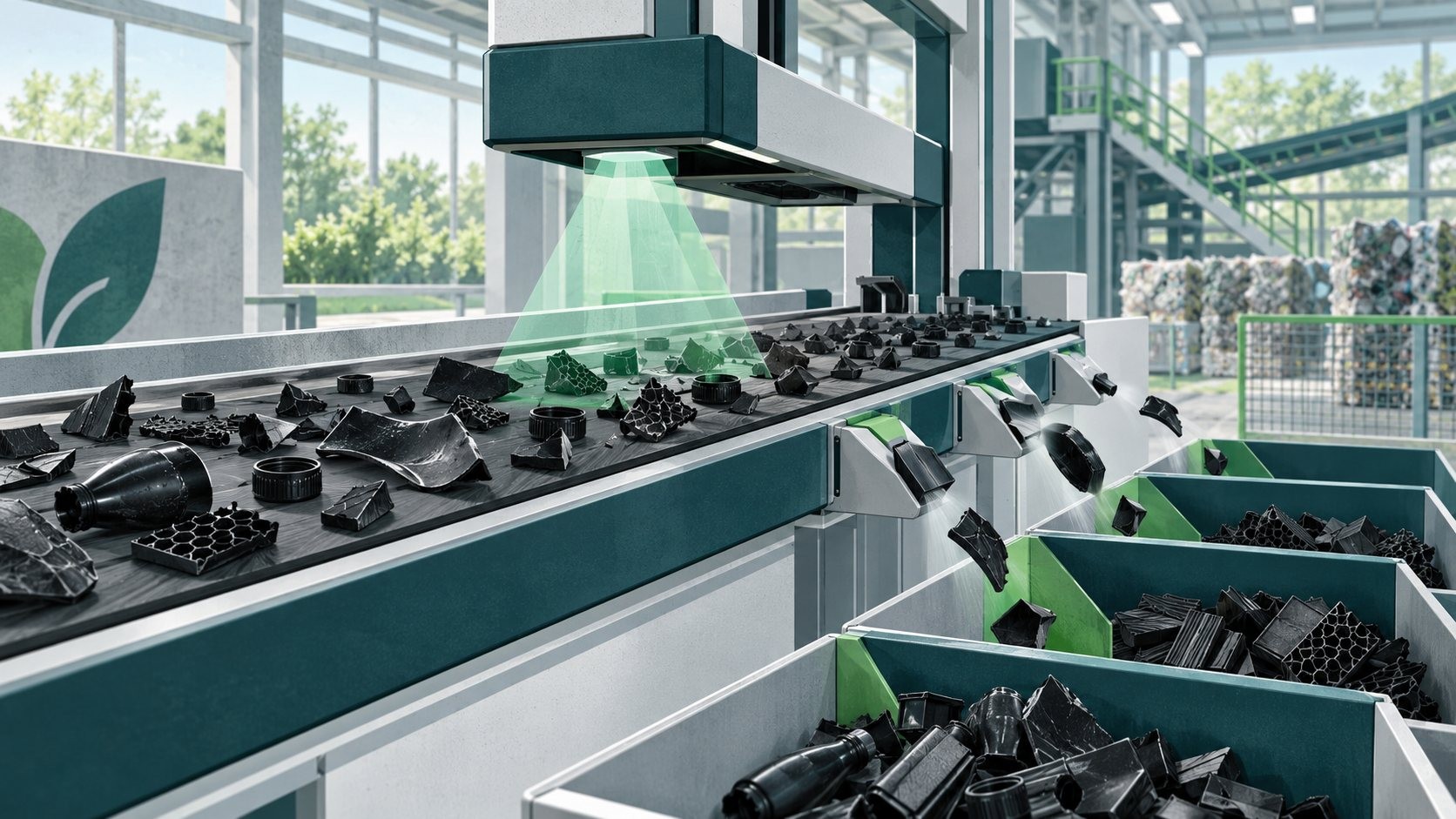
Black plastics containing carbon black are difficult for many conventional optical systems to recognise: they absorb much of the visible and near-infrared light used in sorting facilities. When a material cannot be identified correctly, separating it by polymer and sending it to high-quality recycling becomes more difficult.
Sesotec has developed VARISORT+ CARBON BLACK, a system combining mid-wave infrared sensors, or MWIR, with software and artificial-intelligence models. According to the company, this combination can distinguish black materials such as PE, PP and ABS after initial pre-shredding and before final grinding.
From presentation to practical trials
The project has moved beyond a concept: at the end of June, the first system was transferred to Sesotec's in-house technical centre. Customer material streams are now being tested there under conditions the company describes as realistic.
It is important, however, to distinguish this technical milestone from full industrial deployment. The technology is entering practical trials and will need further refinement using field data. Claims about higher yield, quality and cost efficiency come from the manufacturer and will need to be assessed for each application.
The direction is nevertheless relevant to the circular economy. Separate collection is only the first step: recovering more material also requires facilities that can identify what conventional sensors struggle to see.
Source: Sesotec, VARISORT+ CARBON BLACK and the start of technical-centre trials
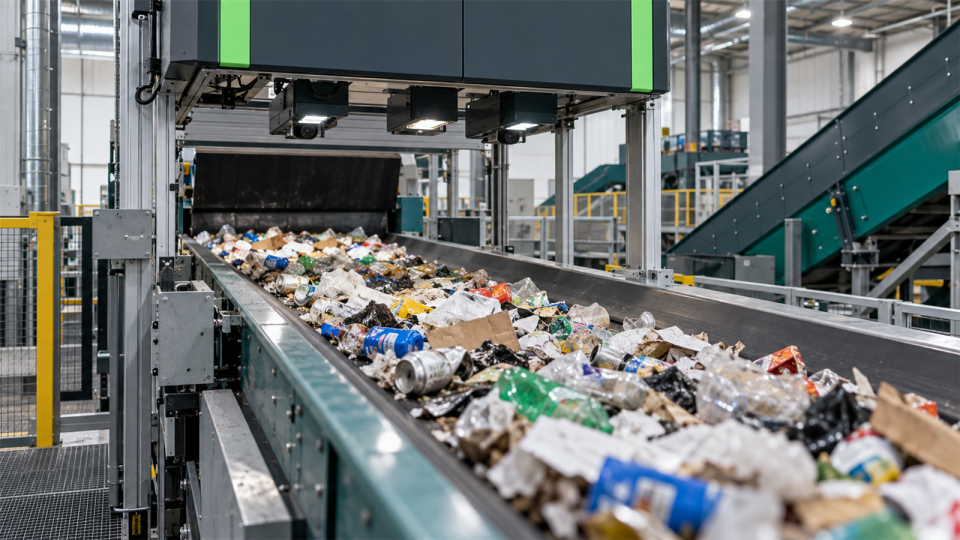
The cover is an AI-generated editorial illustration.
Potrebbero interessarti
-

Turin's RePoPP food-recovery project receives European award
News - 16 October 2026
-
Castellanza: 273 fewer tonnes of mixed residual waste
News - 15 October 2026
-
Global cleanups collected more than 1.3 million plastic bottles
News - 7 October 2026
-
September 2026: 27 cleanups, 295 bags and a community on the move
News - 1 October 2026
-
Mixed municipal waste: can AI recover more useful materials?
News - 20 September 2026