
Mixed plastics, new raw materials: the University of Amsterdam's pilot reactor
News - 19 July 2026
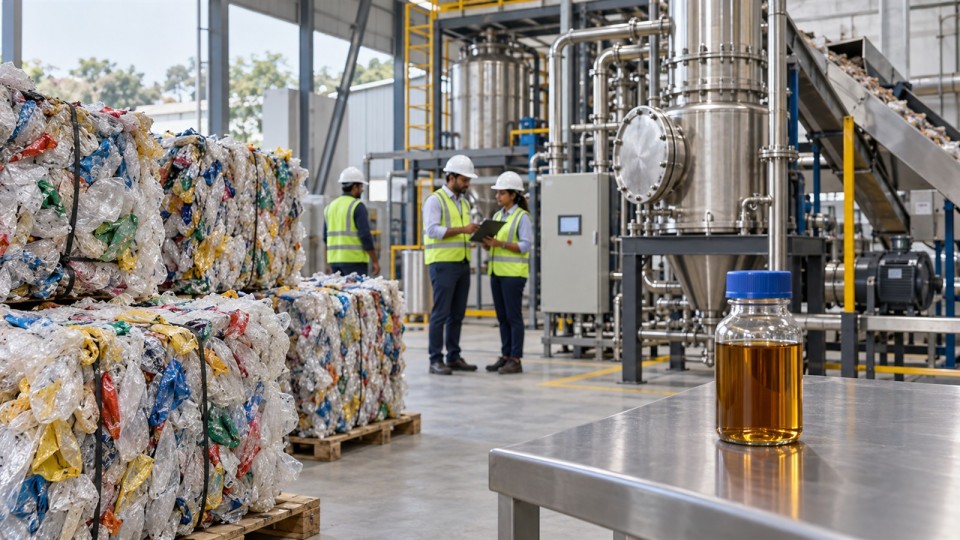
A University of Amsterdam pilot reactor turns mixed plastic waste into potentially reusable oil. What is known, and what still needs to be tested.
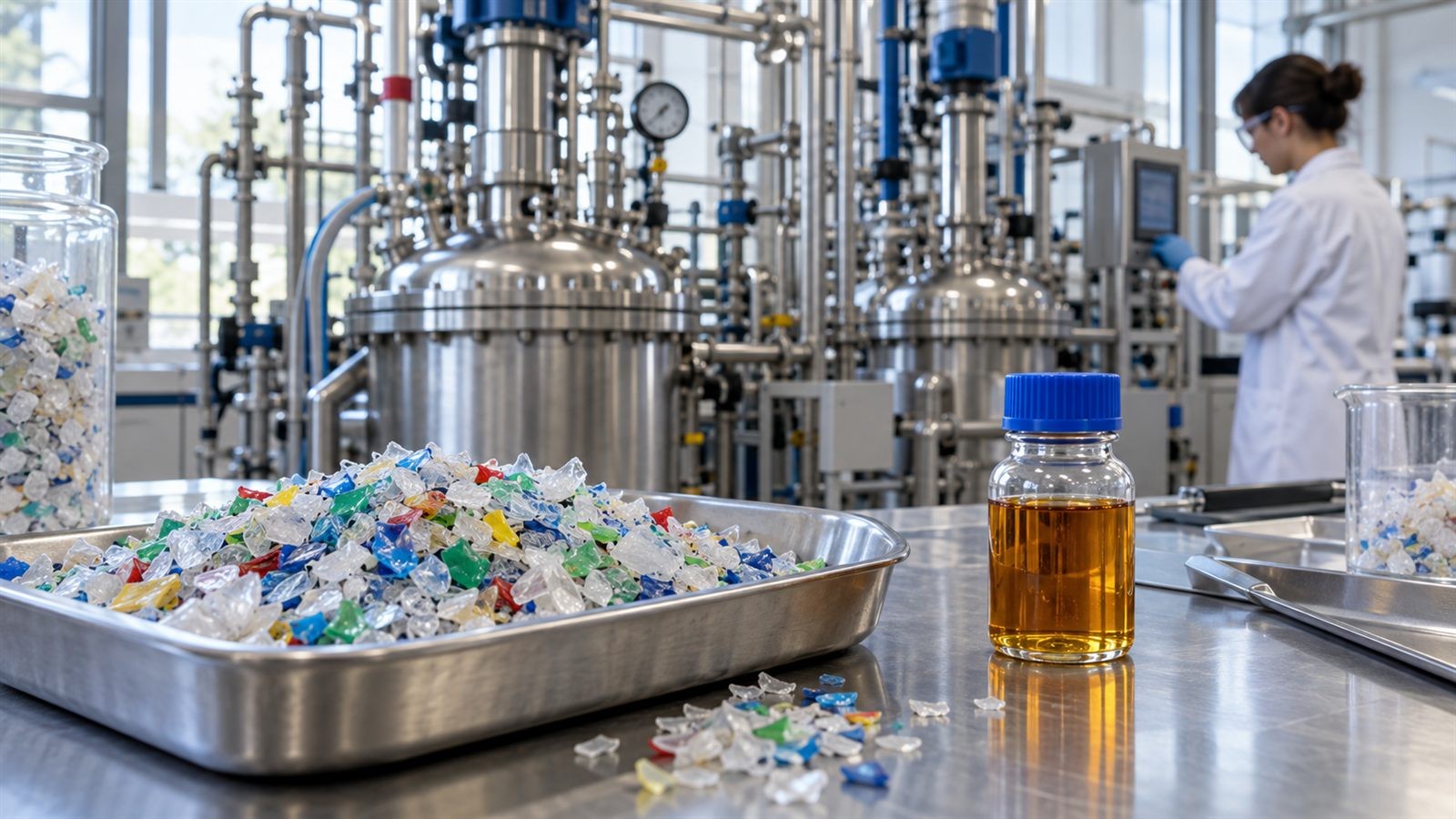
Not every collected plastic item can be readily recycled through mechanical processes. Mixed and contaminated packaging, in particular, can require extensive sorting. A University of Amsterdam team is testing a chemical route to recover some of its value.
According to the university's announcement, a process called solvothermal liquefaction uses solvent, heat, catalysts and pressure to turn mixed plastic waste into gas, oil and a solid residue. In laboratory experiments, the reaction produced these materials in about 30 minutes. The oil contains molecules that could potentially serve as feedstock for new plastics.
The next step is a pilot plant with a 25-litre reactor. The system was due to be tested in Spain at public waste-management company COGERSA using real municipal plastic waste. That is where performance, safety, cost and product quality must be assessed under less controlled conditions.
This does not mean every mixed plastic can already become new packaging. The technology is at the demonstration stage, not widespread industrial use. Reducing unnecessary packaging, designing for reuse and separating materials well will remain important even if chemical recycling advances.
The cover is an AI-generated illustration, not a photograph of the pilot plant.
Potrebbero interessarti
-
Mixed municipal waste: can AI recover more useful materials?
News - 20 September 2026
-
From polyamide microplastics to UV-blocking films
News - 16 September 2026
-
August 2026: 14 cleanups, 90 bags and a community in action
News - 1 September 2026
-
PolyCycl and the challenge of hard-to-recycle flexible plastics
News - 31 August 2026
-
Circular packaging: two European projects offer different approaches
News - 28 August 2026