
Plastic and used-battery acid: Cambridge's solar-powered research
News - 25 July 2026
A sunlight-powered experimental reactor uses acid recovered from spent car batteries to process hard-to-recycle plastics and produce hydrogen.
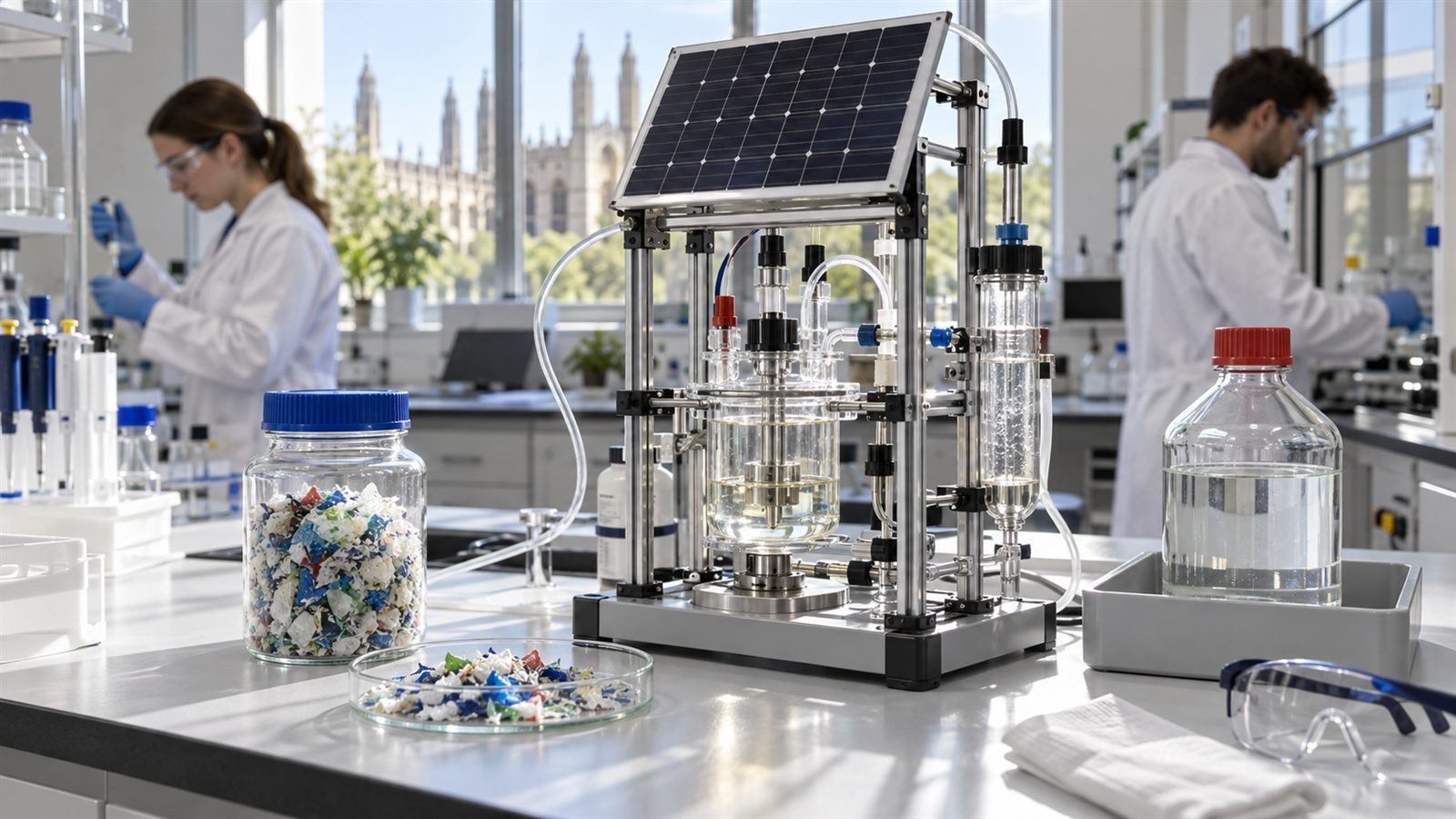
What if two waste streams could become part of the same solution? A University of Cambridge team has developed a sunlight-powered reactor that uses acid recovered from spent car batteries to process hard-to-recycle plastics and produce hydrogen.
The university's Department of Chemistry lists drinks bottles, nylon textiles and polyurethane foams among the materials studied. A key advance is a photocatalyst able to withstand the acidic conditions that previously limited this type of process.
The research is notable because it connects the recovery of a substance usually neutralised during battery recycling with plastic treatment. It is still research, however. Sustainability at larger scale will depend on safe acid handling, energy balances, costs and the ability to process real, variable waste streams.
Producing hydrogen does not erase the problem of single-use plastics. Reduction, reuse and effective collection systems remain the starting point; new technologies may help with the difficult fraction left over.
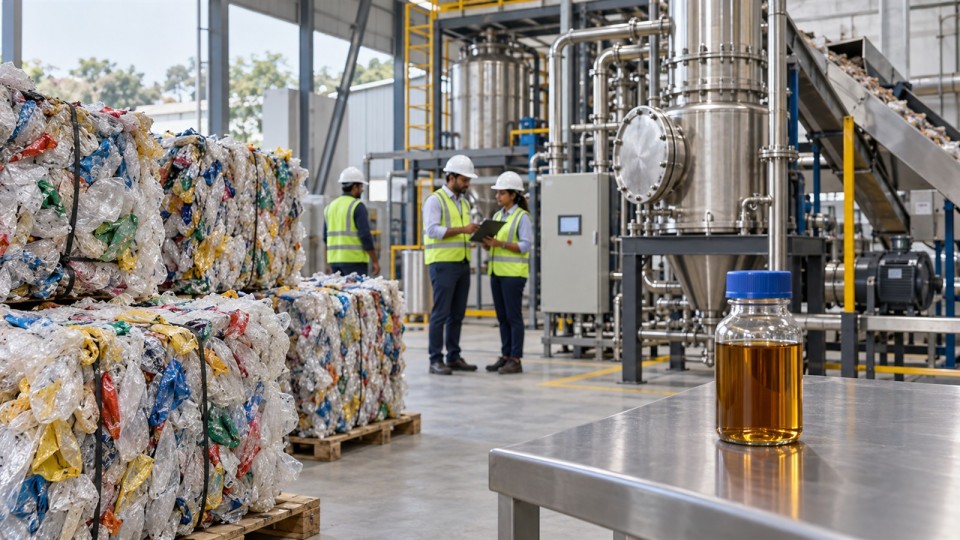
The cover is an AI-generated illustration, not a photograph of the reactor.
Source: University of Cambridge, Yusuf Hamied Department of Chemistry, April 8, 2026.
Potrebbero interessarti
-
Mixed municipal waste: can AI recover more useful materials?
News - 20 September 2026
-
From polyamide microplastics to UV-blocking films
News - 16 September 2026
-
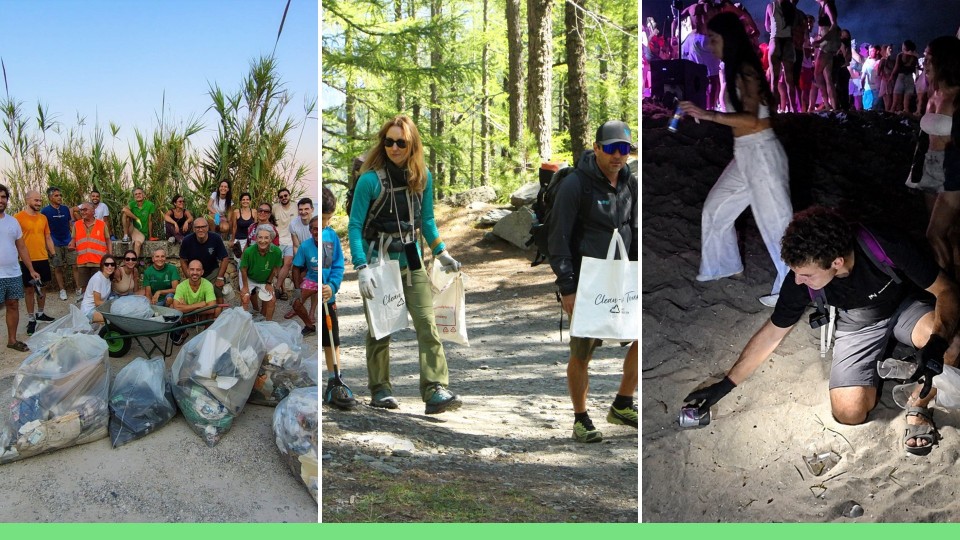
August 2026: 14 cleanups, 90 bags and a community in action
News - 1 September 2026
-
PolyCycl and the challenge of hard-to-recycle flexible plastics
News - 31 August 2026
-

Circular packaging: two European projects offer different approaches
News - 28 August 2026