Circular packaging: two European projects offer different approaches
News - 28 August 2026
Reducing packaging waste is not simply a matter of replacing one material with another. Packaging must work during use and be manageable at the end of its life. The European Commission highlights two EU-supported projects that approached this challenge from different directions.
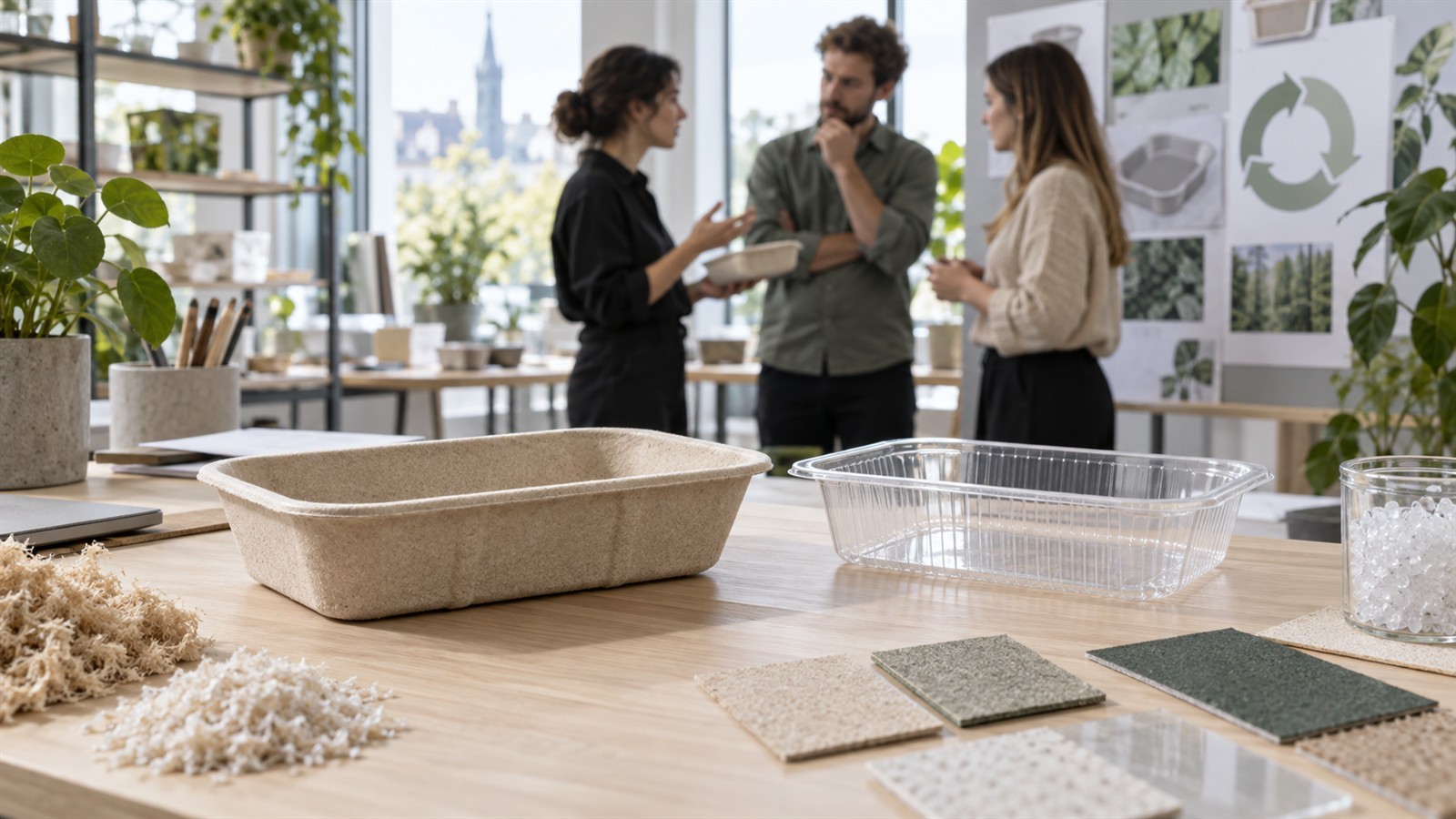
Reducing packaging waste is not simply a matter of replacing one material with another. Packaging must work during use and be manageable at the end of its life. The European Commission highlights two EU-supported projects that approached this challenge from different directions.
In the Directorate-General for Environment's account, CIRC-PACK worked on bio-based polymers, redesign of multilayer packaging and better sorting systems. FRESH focused on cellulose-based meal trays as an alternative to some hard-to-recycle plastic trays. The Commission reports that replacing packaging for approximately nine million meals in the UK market avoided nearly 200 tonnes of plastic over three and a half years.
The archived news summary described new EU funding. The official source instead presents results from projects already carried out; this page does not announce a new funding call. Support received in the past should not be confused with a newly awarded investment.
Neither “bio-based” nor “biodegradable” means a package can be discarded in the environment. Materials, collection infrastructure and clear disposal instructions need to be designed together.
The cover is an AI-generated illustration, not a photograph of the projects.
Source: European Commission, Directorate-General for Environment, January 22, 2026.
Potrebbero interessarti
-
Mixed municipal waste: can AI recover more useful materials?
News - 20 September 2026
-
From polyamide microplastics to UV-blocking films
News - 16 September 2026
-
August 2026: 14 cleanups, 90 bags and a community in action
News - 1 September 2026
-
PolyCycl and the challenge of hard-to-recycle flexible plastics
News - 31 August 2026
-
Aqua Sattva: a plant-based filter prototype developed by two students
News - 24 August 2026